

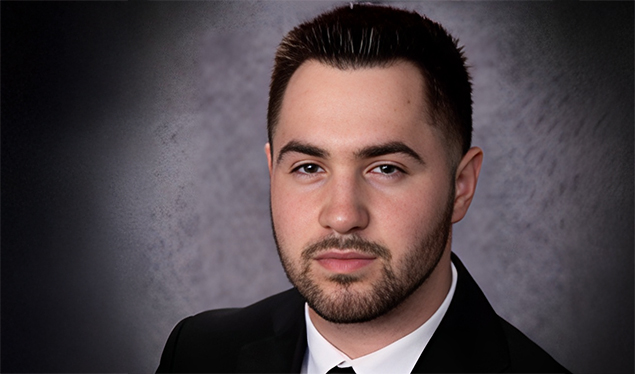
2L Jason Galak brings a blend of business insight, leadership, and hands-on legal experience to SHU Law. A former paralegal and recent judicial intern for Judge Papalia, he now serves as SBA Treasurer and is active in the Real Estate Law Society. His interview highlights his drive, values, and growing expertise.
What inspired you to pursue a career in law, and what drew you to judicial internships and your work in bankruptcy law?
I’ve always known I wanted to go to law school, mostly because I love to read and write. But that alone isn’t enough to pursue a legal career. What really solidified my interest was working as a paralegal for a boutique trusts and estates firm, Muchnik Elder Law. I loved getting to know clients and their stories and helping them navigate difficult situations or future uncertainties. That human connection meant a lot to me, and I hope to work at a firm where I can keep fostering those relationships.
I also knew that interning for a judge was one of the best ways to grow—both in understanding the judicial system and strengthening my writing. Bankruptcy law felt like a natural intersection between the law and my business background, and Judge Papalia was gracious enough to offer me an internship. It was the most rewarding and educational experience I could have asked for. Bankruptcy isn’t usually a field people dream about going into, but once you’re exposed to it, you quickly learn to appreciate it.
How has your summer internship with The Honorable Vincent F. Papalia shaped your perspective on bankruptcy proceedings and judicial decision-making?
People often think bankruptcy law is narrow and technical, but my internship showed me it’s actually the best of all worlds. Bankruptcy cases can touch nearly every area of law—from breach of contract to tort matters like sexual assault claims. I appreciated seeing just how wide-ranging the issues can be in a single courtroom.
I especially valued watching Judge Papalia (and Judge Sherwood, when I observed him) make difficult decisions. Some matters are straightforward, but others require real-time judgment and careful balancing. And because the bankruptcy bar is such a tight-knit community, attorneys consistently showed a deep command of the law. It was rare to see anyone walk into chambers without knowing their field inside and out.
What excites you most about serving as SBA Treasurer and your involvement in other SBA committees next year?
I’m honored to be your SBA Treasurer for the 2025–2026 academic year. With budget season behind us, my focus now is supporting student organizations with their financial needs. I’ve always enjoyed getting involved in the school, especially on the social side, and the SBA gives me that opportunity.
I’m most excited to meet more students and help however I can—whether that’s explaining how to get involved or just chatting during a break. We look forward to working with all student organizations and SBA committees to continue building our vibrant community. (And if anyone wants to reach out, I’m an open book: [email protected])
How has your previous experience as a paralegal influenced your approach to law school and legal problem-solving?
Being a paralegal at Muchnik Elder Law taught me two key lessons—sales and networking. If you plan to work at a small or mid-size firm, you need to know how to sell your product. That means understanding your work and expanding your network so people know to come to you. I often spoke to clients about the value of proper estate planning, which taught me how to “sell” not just a service but the peace of mind that comes with it.
This perspective helps me in law school by reminding me to think beyond black-letter law and to frame arguments persuasively—something that served me well both in my lawyering class and during my internship.
Networking is equally important. Working in a small firm showed me how essential relationships are in the legal profession. Networking with attorneys, financial planners, and community organizations strengthened our practice and opened doors to clients. That experience shaped my approach to law school by encouraging me to build strong connections with professors, classmates, and alumni.
What have you learned from your involvement with the Real Estate Law Society at SHU Law?
The Real Estate Law Society reinforced how valuable networking is through their great events. Last year, I attended their networking event with attorneys from firms like Cole Schotz and Connell Foley, which gave me meaningful exposure to practitioners in a field I’m passionate about. Meeting real estate professionals helped me understand the various paths available in practice. Huge shoutout to Jacqueline Daaleman and Zach Rienecker—they’re going to do a fantastic job leading the society this year.
How do you balance your academic responsibilities with extracurricular activities and professional experiences?
Academics always come first. Without prioritizing coursework, opportunities in extracurricular and professional spaces become limited. To stay organized, I rely heavily on calendars and to-do lists (sometimes an unhealthy amount on Google Calendar).
But balance also requires flexibility. You have to be realistic about what can get done in a day and accept that not everything will happen at once. By setting clear priorities and giving myself space to adjust when needed, I stay on top of academics while still contributing to extracurriculars and gaining valuable experience.
Your interests include Google Local Guiding, birding, and video editing—how do these hobbies influence or complement your legal studies?
These things are just part of what makes me me. You can’t lose yourself in law school or in life, so it’s important to stay connected to the things you love. My hobbies keep me grounded and creative, and they’ve sparked great conversations during interviews. That’s why I always encourage people to list specific interests on their résumés—not just “sports” or “reading,” but actual details.\
Aside from the hobbies listed, I love watching sports and spending time with my closest friends in law school.
What has been the most challenging aspect of law school so far, and how have you overcome it?
Time management. Before starting law school, I’d heard about the workload, but I didn’t fully appreciate it until my first semester. It was tough at first because I couldn’t figure out when to rest and when to prepare for class.
Eventually, I developed a system that worked for me. I prefer loading up on reading during the weekends so I can spend weekdays catching up on writing assignments and other work. The biggest lesson: there’s no single “right” way to manage time in law school. You have to experiment and find the rhythm that fits your learning style.
What advice would you give to students seeking to combine hands-on experience, leadership roles, and personal passions effectively?
Talk to as many people as possible and make connections—that’s really what I base my whole life on. You might walk into a networking event expecting to just meet attorneys and walk out with a job or internship. I met one of my former employers through networking and another through a mutual professional connection.
Also, lean on your professors. They’re not just here to teach; they’re here to advise and guide you. One of my favorite things about Seton Hall is how open everyone is to helping students thrive both academically and professionally.
And don’t overlook your peers. These are the people who will support you throughout law school and beyond. You spend countless hours studying, celebrating the good times, and pushing through the tough moments together. Those bonds make law school more manageable and build a professional network that lasts long after graduation.
Looking ahead, what are your professional aspirations, and how do you hope to make an impact in the field of law?
My long-term goal is to have my own law firm. Working for a solo practitioner for nearly five years taught me not only the intricacies of trusts and estates law but also how to run a business. From managing employees to building a book of business, I learned how much strategy goes into running a successful practice—and that challenge excites me.
What attracts me most is the face-to-face connection with clients. I want to be the lawyer people turn to in their most important moments, not just for legal advice but for guidance and reassurance. Owning a practice would allow me to build relationships directly and create a firm culture that reflects my values. At the end of the day, I just want to be someone’s lawyer—the person they trust when it matters most.


